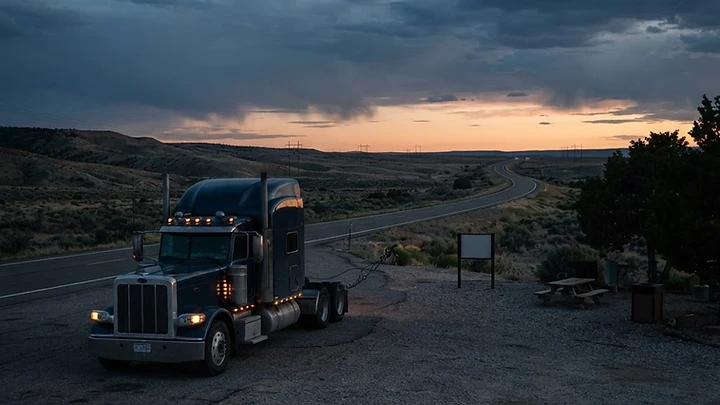
Long-haul trucking demands a kind of endurance most jobs never test: weeks away from home, thousands of miles a week, and a cab that is office, kitchen, bedroom, and home. The drivers who last aren't just tough — they've learned to manage the specific challenges this life throws. Here's the honest map.
The Physical and Mental Marathon
Long hours seated, disrupted sleep, and solitude are the baseline. The drivers who manage it treat rest like freight — planned and non-negotiable. Regular movement, real food, and a consistent sleep setup in the cab do more for your alertness than any energy drink.
The Weather Doesn't Care About Your ETA
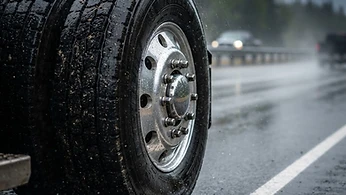
Blizzards, storms, and wind will eventually sit between you and the receiver. Watch forecasts, build slack into the schedule, and carry the right gear — chains, good tires, a full weather kit. The professional call is sometimes the parking lot.
The Regulatory Load
Hours of Service, ELDs, inspections — the compliance side never sleeps either. Learn the tech properly, keep logs clean, and stay current on rule changes. Violations cost money, time, and eventually your CDL.
The Economics Move Under You
Fuel prices, freight rates, and maintenance costs swing hard. The operators who survive it plan routes tightly, maintain preventively, and watch market trends instead of reacting to them.
The Solitude
Loneliness is the quiet challenge nobody posts about. Build a community deliberately — online forums, driver groups, the regulars at your usual stops, and scheduled calls home. Isolation is manageable when it's treated as a problem to solve, not a fact to endure.
Health on the Highway
Sitting disease is real: back pain, weight gain, and heart risk come with the territory. Short daily exercise, smart eating, and regular check-ups keep the license and the life that depends on it.
Embrace the Tools
Truck GPS, routing apps, dashboard cameras, telematics — the technology makes the job safer and more efficient for the drivers who actually learn it.
Long-haul is a hard life and a good one. The drivers who thrive treat it like the profession it is — planned, managed, and never left on autopilot.