A big rig is 80,000 pounds of responsibility moving at highway speed. Safety isn't a compliance checkbox at that scale — it's the difference between a career and a catastrophe. These ten habits are what the long-career drivers all have in common.
1. Pre-Trip Inspections, Every Trip
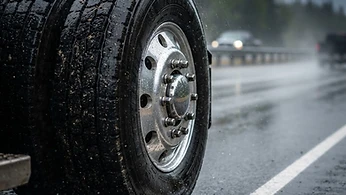
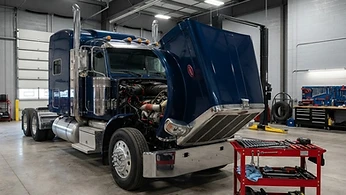
Brakes, tires, lights, fluids, and load securement — before the wheels turn. Ten minutes in the yard beats ten hours on the shoulder, and it catches the cheap problem before it becomes the expensive one.
2. Manage Fatigue Like the Hazard It Is
Take real breaks, stretch, avoid the heavy meal that puts you to sleep, and respect Hours of Service — the rules exist because fatigue kills. The load is never worth dozing through a merge.
3. Respect the Weather
Check forecasts before you leave and adjust to what you find. Slow down early, add distance, and remember: the schedule that makes you push through a storm is the schedule that ends up on the news.
4. Drive Defensively
Assume every four-wheeler will do the dumb thing. Keep your distance, know your blind spots, check your mirrors constantly, and give everyone room to make their mistake near you instead of into you.
5. Manage Speed Honestly
A loaded rig stops nothing like a car. Obey limits and drop below them when conditions call for it. Every minute saved by speeding is rented at a rate you don't want to pay.
6. Check Your Load
Securement isn't set-and-forget — recheck after rough roads and long stretches. Shifting freight kills handles, not just schedules.
7. Communicate Intentions
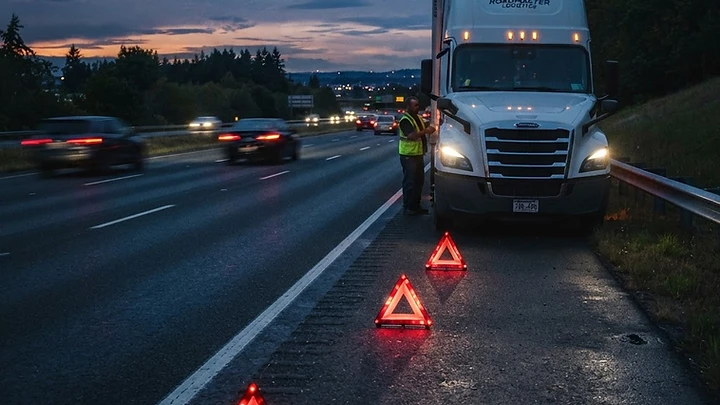
Signal early. When you stop, triangles and flares do the talking. Keep dispatch informed of conditions ahead — the radio is a safety tool, not an accessory.
8. Use the Tech
Lane departure warnings, collision avoidance, fatigue alerts — learn the systems in your truck and let them back you up. They don't replace skill; they round it out.
9. Keep Learning
Rules, equipment, and best practices keep changing. Refreshers and training keep your skills ahead of the traffic.
10. Guard Your Health
Check-ups, decent food, and movement aren't separate from safety — a driver who feels bad drives bad. Your health is part of your equipment.
Safety isn't a rulebook — it's a mindset of preparation and responsibility. Build it mile by mile, and the career takes care of itself.