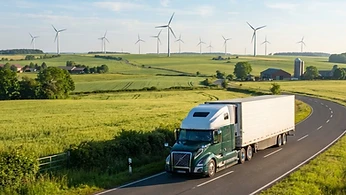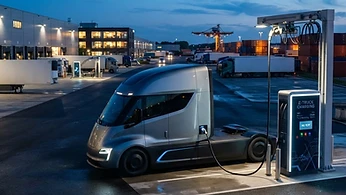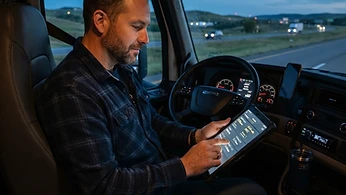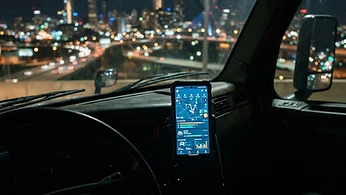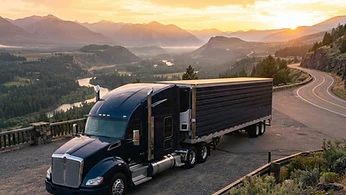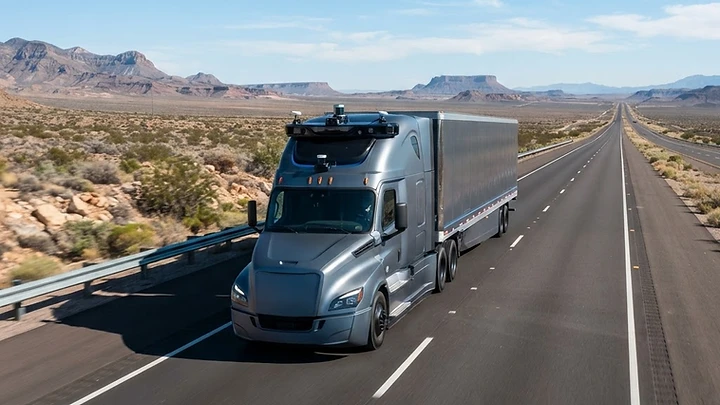
Autonomous trucking has moved from TED talks to test lanes. Companies like Aurora, Waymo, Daimler, and Tesla are piloting Level 4 self-driving trucks on real highways — trucks that handle most driving themselves with a safety driver aboard. For the people who drive for a living, the obvious question is what this means for the job. The honest answer: the job is changing more than it's disappearing.
Where the Technology Actually Is
- Level 4 autonomy — highway self-driving with a human supervising — is being piloted in the U.S. Southwest, Europe, and China.
- Forecasts put as much as 13% of U.S. heavy-duty trucks in autonomous service by the mid-2030s.
- ADAS — lane keeping, automatic braking, predictive diagnostics — is already cutting accident rates in trucks on the road today.
- Platooning — automated convoys drafting close together — saves 5–15% on fuel.
What It Means for Jobs
The scary projections are real but partial: estimates range from 400,000 U.S. jobs at risk to as much as 94% of driver hours affected, and the International Transport Forum projects up to 70% of trucking jobs could be threatened by 2030. But nearly every serious analysis agrees the change is gradual — full autonomy in all weather and all roads is years away, and regulators will move slower than the technology.
Two things soften the landing. First, long-haul trucking turnover already runs near 90% — many jobs will phase out through attrition rather than layoffs. Second, automation redefines tasks more than it deletes roles.
The Jobs After Driving
- Systems managers monitoring and supervising automated vehicles.
- Logistics specialists coordinating multi-leg freight handoffs.
- Fleet technicians troubleshooting and compliance.
- Teleoperators, AI safety supervisors, dispatch coordinators — roles that barely existed five years ago.
The emerging model is the transfer hub: autonomous trucks run the long interstate legs, and human drivers handle pickup, delivery, and the last miles that automation can't. Aurora and others are actively piloting exactly this — machine on the highway, human on the streets. McKinsey projects automation could cut trucking's total cost of ownership by up to 45%.
What to Do About It
3.5 million professional drivers work in the U.S., and 1.4–1.7 million jobs could be affected over the coming decade — while globally, AI is projected to displace 85 million jobs and create 97 million new ones. The drivers who come out ahead are the ones who keep learning: ADAS technology, telematics, compliance, and specialized freight. Local delivery, urban routes, and customer-facing work stay human the longest.
The wheel isn't being taken away tomorrow. But the seat is moving. Adaptability — not denial — is the career plan.