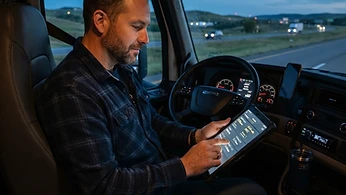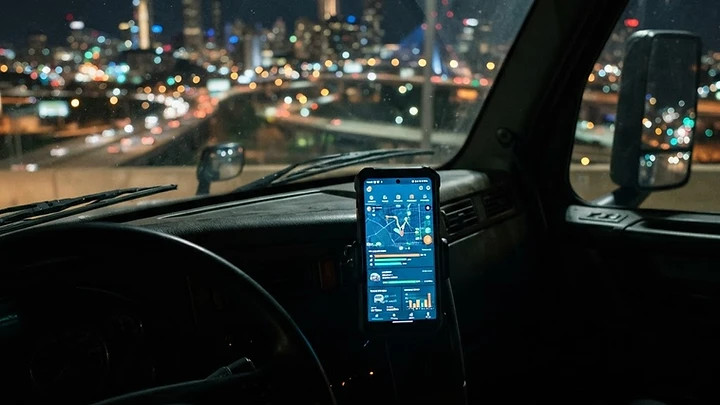
Load boards moved from phone and fax to your phone, and the change is now the industry's operating system. Digital freight platforms — marketplaces, TMS tools, and exchanges — connect shippers, carriers, and drivers in real time. Used right, they're leverage. Used blind, they're a race to the bottom. Here's the driver's guide for 2025.
What a Digital Freight Platform Actually Does
- Instant load matching: shippers post, algorithms match, you book in seconds — no phone tag, no haggling.
- Live tracking: GPS and IoT share location, ETAs, and exceptions with everyone at once.
- Transparent pricing: AI-driven spot rates and market data make it obvious which loads pay.
- Digital paperwork: in-app messaging and e-docs cut the miscommunication and missing-signature headaches.
The categories: freight marketplaces (public load boards with instant booking), TMS (end-to-end planning and analytics), freight exchanges (spot capacity and last-minute freight), and vertical platforms built for agriculture, pharma, or temp-controlled freight.
Why Drivers Use Them
- Less dead time: faster booking means wheels turning.
- Fewer surprises: live updates and optimized routing shrink delays.
- Clearer money: market-based rates make the good loads obvious — some apps even take counteroffers.
- Flexibility: relay and team models let drivers run regional legs and still get freight across the country.
- Reach: owner-operators land shippers they could never cold-call, including cross-border.
Where the Pitfalls Are
- Learning curve if apps weren't your world — real, and worth pushing through.
- Fewer relationships: instant booking can thin out the broker relationships that used to fill your truck.
- Data security: your identity and cargo data are targets; use platforms with real protections.
- Rate pressure: posted rates invite underbidding — in soft markets the cheap load is a trap.
- System mismatches: older carrier systems don't always sync — watch for delayed payments and lost status updates.
The Numbers
The digital freight market runs about $36.5 billion in 2025, growing at 22.5% a year. In North America and Europe, over 65% of freight transactions touch a digital platform. Uber Freight reports drivers on its app spend up to 40% less time booking and run up to 25% fewer empty miles. Owner-operators and small fleets gain the most — steady loads and smarter routing without a dispatch department.
Watch These Trends
AI matching that learns your lanes and equipment, richer in-transit cargo telemetry, security built into contracts and payments, and sustainability scoring that shippers increasingly require.
The platforms are here to stay. Learn two or three well, guard your rate floor, and use them as leverage — not as your boss.