Trucking keeps the country stocked, and it burns a lot of fuel doing it. That combination puts the industry square in the middle of the sustainability push — driven by tightening regulation, fuel costs, and big shippers who now measure the carbon footprint of the carriers they hire. The fleets treating this as a strategic problem rather than a PR exercise are finding real savings on the other side.
Why the Push Matters
Heavy-duty trucks account for a disproportionate slice of transportation emissions, and freight demand keeps growing. Carriers that move first get more than compliance: they cut operating expenses, land freight from shippers like Walmart and Amazon who demand measurable carbon progress, and protect their position as the market tightens. Going green is opportunity as much as responsibility.
Efficiency First: The Cheapest Emission Is the One You Never Burn
- Aerodynamics: trailer skirts, tail fairings, and cab roof deflectors cut drag. Schneider reported millions in annual savings from trailer retrofits alone.
- Driver habits: eco-driving training — smooth acceleration, less idling, smarter shifting — is good for 7–10% better fuel economy.
- Telematics and predictive maintenance: catch problems before they become breakdowns, and keep engines running at peak efficiency.
- Idle-reduction systems: automatic shutoff pays for itself fast; large fleets have documented fuel savings in the millions.
Stack these together and top fleets are running close to 8 MPG against a national average around 6.9. Across thousands of trucks, that margin is a fortune.
The Energy Mix Is Shifting
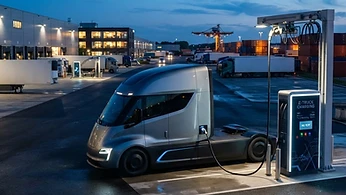
Diesel still dominates, but the diversification is real. Natural gas (UPS has invested heavily), renewable and biodiesel drop-ins that need no engine changes, battery-electric semis from Tesla, Daimler, and Volvo (PepsiCo runs Tesla Semis in regional service), and hydrogen for long-haul promise with its fast refueling. Charging corridors are being planned along major interstates, and hydrogen pilots are running in logistics hubs like Los Angeles and Houston. Zero-emission freight is moving from niche to mainstream faster than most predicted.
Cleaner Operations Beyond the Tank
Packaging that stacks tighter means fewer trucks per shipment. AI routing that cuts congestion and empty miles can save thousands of gallons a year. Fleet-wide recycling of tires, oil, and parts cuts disposal costs. And intermodal moves — putting a stretch of freight on rail — can cut emissions 20% or more while protecting the delivery date.
Regulation Is Accelerating the Timeline
California's Advanced Clean Trucks rule ramps zero-emission truck sales until diesel sales end entirely by 2036, and over a dozen states have followed. New EPA standards tighten NOx and greenhouse gas limits. FMCSA updates to ELDs and digital compliance squeeze out wasted fuel indirectly. Compliance costs money up front — but early adopters collect incentives while laggards face penalties and lose contracts.
The Numbers Say It's Working
NACFE found fleets running advanced efficiency technologies saved over $500 million in fuel in a single year. PepsiCo, Amazon, and Walmart all have electric trucks in service. Regional carriers combining truck with rail are cutting emissions by a fifth and improving their cost structure at the same time.
The road to sustainable freight is long — but for owner-operators and fleets alike, every efficiency gained is margin kept. Every mile counts.