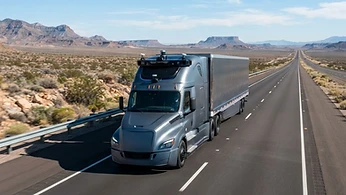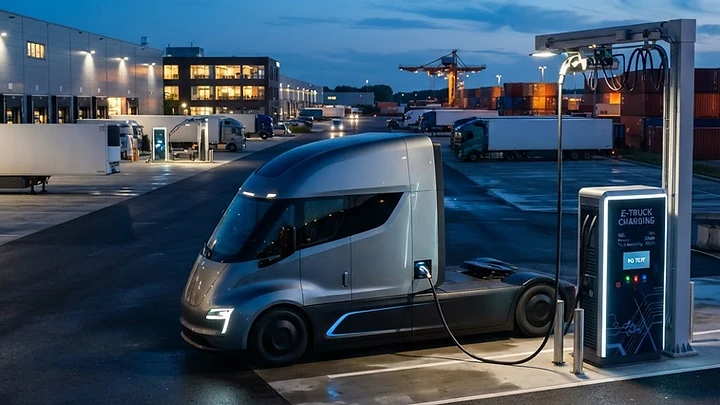
Electric trucks have moved past the concept stage. Between decarbonization pressure, improving economics, and real government incentives, battery-electric semis are now working in fleets instead of starring in press releases. That doesn't mean diesel is dead — but it does mean the math is changing under it. Here's where things actually stand.
The Technology Has Grown Up
Manufacturing has gotten cheaper and more precise — automation, robotics, and digital-twin production lines cut cost and defects. Modular EV platforms trim component counts by up to 20% and assembly time by about 15%. Structural battery packs using lithium iron phosphate (LFP) cells are cheaper, lighter, and more durable than nickel-cobalt chemistries, and packing them into the chassis floor lowers the center of gravity for better handling. Solid-state batteries are next, promising higher energy density and much faster charging.
Why Fleets Are Buying
- Zero tailpipe emissions — cleaner air in cities and near schools, and a shrinking carbon footprint. Heavy-duty diesels account for nearly a fifth of U.S. vehicle emissions.
- Quieter — night deliveries and urban zones get easier.
- Lower operating costs: electricity beats diesel per mile and EVs need far less maintenance. With battery prices around $135/kWh, total cost of ownership runs about 13% lower — a heavy-duty EV can save a fleet up to $200,000 over 15 years.
- Money on the table: tax credits, subsidies, and rebates blunt the purchase price.
The market shows it: electric trucking was valued at $5.9 billion in 2025 and is projected to reach nearly $38.7 billion by 2032. Over 12% of new Class 7–8 purchases in the U.S. are already electric, and more than 30% of large logistics operators run at least one.
The Honest Challenges
- Charging infrastructure. Grid capacity for high-power truck charging isn't everywhere, and building it takes years. Megawatt Charging Systems (up to 3.75 MW) could drop charge times under 30 minutes, but rollout is uneven.
- Batteries. Range still trails diesel, weight cuts into cargo capacity, packs degrade, and even fast charging takes longer than a fuel island.
- Purchase price. Incentives narrow the gap; they don't close it.
- Operations. Routes have to be planned around charging — a real adjustment for schedules built on five-minute fill-ups.
Depot charging covers planned regional work well today; long-haul is the harder problem, and that's where hydrogen and fast-charge corridors are competing to fill the gap.
What It Means for Owner-Operators
Nobody needs to bet the truck on electric tomorrow. But regional and return-to-base duty cycles are where the numbers already work — and every year, the charging map fills in. Watch the incentives in your state, run the TCO math on your actual lanes, and pay attention when your next tractor decision comes around.
Electric trucks are no longer an if. They're a when and a which-lanes — and the operators who run the numbers early will be the ones who profit from the shift.